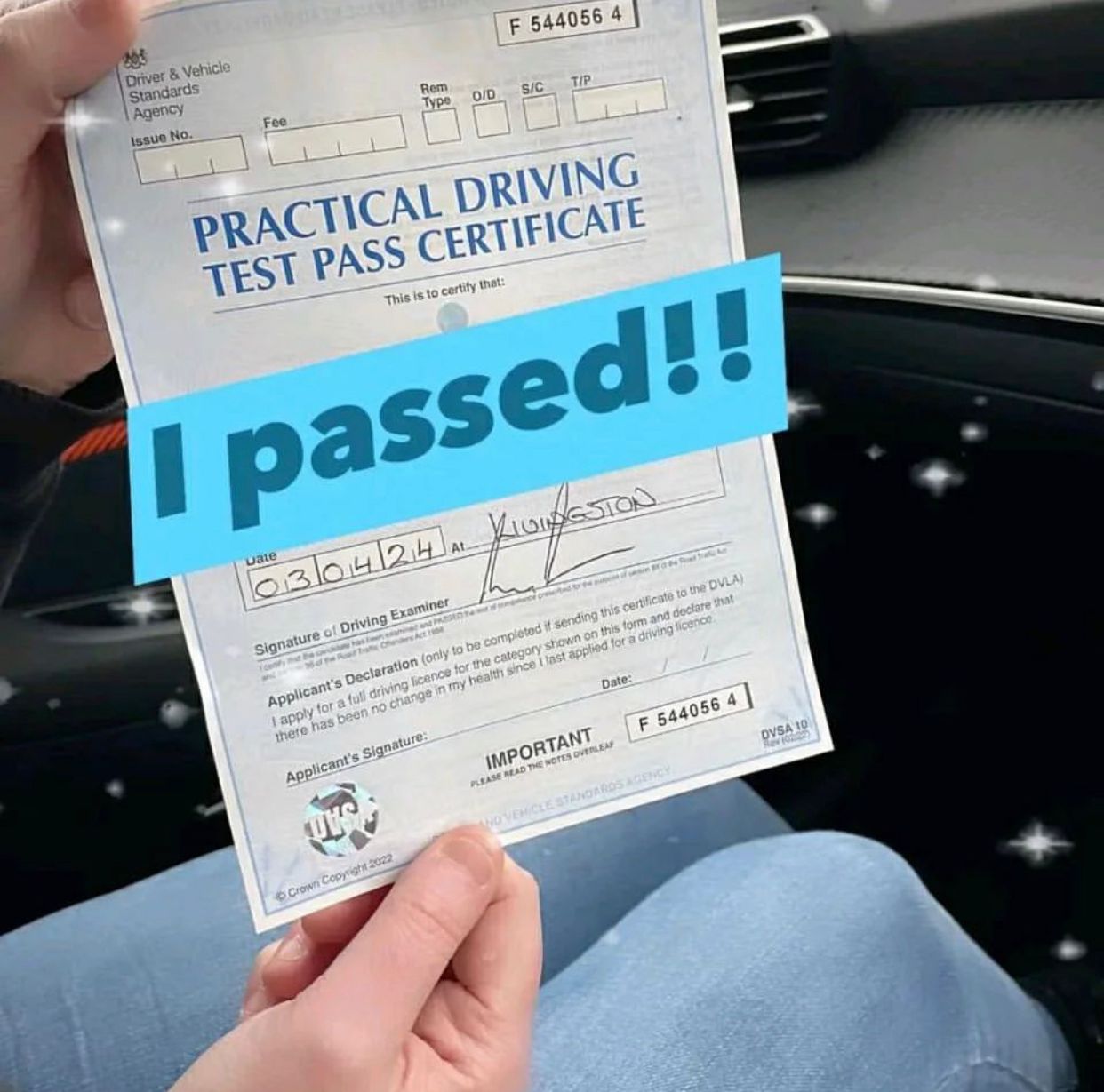
Understanding the Driving Licence: A Comprehensive Guide
A driving licence is not simply a card that allows individuals to operate a motor car; it is an essential file that represents obligation, adherence to roadway guidelines, and a dedication to safe driving practices. While the requirements for getting a driving licence can differ considerably from one area to another, the core principles surrounding the procedure stay mainly consistent. This article aims to supply an extensive understanding of driving licences, consisting of types, application procedures, typical requirements, and often asked questions.
Tabulation
- Types of Driving Licences
- Common Requirements
- Application Process
- Renewing a Driving Licence
- FAQs
- Conclusion
1. Types of Driving Licences
Driving licences are classified based on multiple elements such as the kind of vehicle to be driven, the age of the candidate, and particular licenses that may be needed for business purposes. Below is a detailed table that marks the typical types of driving licences.
| Licence Type | Car Type | Minimum Age | Description |
|---|---|---|---|
| Class A | Motorbike | 16 | Enables for operation of bikes. |
| Class B | Traveler lorry | 18 | Standard licence for automobiles and light trucks. |
| Class C | Commercial lorries | 18 | Required for bigger automobiles like buses and trucks. |
| Class D | Taxi or rideshare | 18 | Specific license for running a taxi service. |
| Class E | Endorsements (e.g., buses) | Varies | Extra endorsement to run specific vehicle types. |
| Class F | Farm automobiles | 16 | Developed for farm machinery and equipment. |
2. Typical Requirements
While particular requirements can differ by region, there are numerous basic prerequisites for acquiring a driving licence. These may include:
- Age Requirement: Most areas need applicants to be at least 16 years old, though some jurisdictions may enable for provisionary licences at a more youthful age.
- Vision Test: Applicants typically must pass a vision screening to guarantee they can see properly to drive.
- Composed Test: Many locations need individuals to take a composed evaluation covering road indications, traffic laws, and safe driving practices.
- Behind-the-Wheel Test: A useful driving evaluation is frequently compulsory to show that the person can run a car securely under real-world conditions.
- Documentation: Applicants typically need to provide recognition, proof of residency, and potentially a social security number.
- Costs: Most regions charge application and testing charges connected with processing the licence.
3. Application Process
The process of getting a driving licence can generally be broken down into a series of actions. It frequently consists of both theoretical and useful elements. Below is a detailed guide to the common application process:
Check Eligibility:
- Verify the age and other prerequisites like residency requirements.
Gather Necessary Documents:
- Collect identification files, evidence of residency, and any required applications.
Pass the Vision Test:
- Complete a vision screening at a designated screening center.
Research study for the Written Exam:
- Utilize research study guides or online resources to prepare for the composed evaluation.
Take the Written Exam:
- Schedule and pass the written test at a regional Department of Motor Vehicles (DMV) or equivalent agency.
Schedule the Behind-the-Wheel Test:
- After passing the composed test, book a useful driving test.
Take the Behind-the-Wheel Test:
- Demonstrate driving competency to an instructor or examiner.
Pay Applicable Fees:
- Complete the payment procedure for the application and taking a look at services.
Receive Your Licence:
- If successful, acquire your driving licence, which might be released momentarily up until the main one is sent by mail.
4. Renewing a Driving Licence
Driving licences do not last indefinitely and typically require renewal every few years. The renewal process can differ however normally includes:
- Checking Renewal Eligibility: Ensuring the licence is not ended or invalid.
- Finishing a Vision Test: Especially if the licence is ended.
- Paying Renewal Fees: Paying relevant charges related to renewal.
- Supplying Updated Information: If required, offering any changes in personal information.
- Taking Updated Tests: In some cases, a written or practical test might be required if the licence has actually been ended for a prolonged period.
5. Frequently asked questions
Q1: How long does it take to get a driving licence?
A1: The time frame for getting a driving licence can vary from a few weeks to a number of months, mainly depending upon regional processing times, scheduling of tests, and individual preparation.
Q2: Can I drive with a learner's license?
A2: A student's license enables people to practice driving under specific limitations, normally needing a licensed driver to be in the automobile.
Q3: What should I do if I lost my driving licence?
A3: If a licence is lost, individuals need to report it to the regional authorities and follow the process to request a replacement, which usually involves fees and identification confirmation.
Q4: Can I drive in other countries with my driving licence?
A4: Some countries enable foreign driving with a standard licence, while others require an International Driving Permit (IDP). It is suggested to inspect the particular guidelines of the destination country.
6. Conclusion
A driving licence is a crucial document that empowers people with mobility and self-reliance. Nevertheless, it includes the duty of abiding by traffic laws and guaranteeing the safety of oneself and others on the road. Understanding Driving Licence In UK of licences, the application process, and the requirements can considerably ease the journey of obtaining this essential credential. Whether you're a brand-new driver or looking to restore your existing licence, remaining notified and prepared is key to browsing the frequently intricate world of driving regulations effectively.